
Why autumn is the deciding month for winter pest problems

Pest activity in Montgomery County shifts with the seasons. Fall pest control decides how winter goes. As night temperatures drop, insects and rodents look for somewhere warm and dry to wait out winter. They spent the summer outdoors. Now they need shelter. Your house is the best option on the block. It has a heated basement and dozens of small cracks. Whatever gets inside during September and October stays until spring. Most pests settle in once they find shelter, and then they stop moving.
Montgomery County’s housing stock makes this worse than newer construction elsewhere. Older stone foundations sit next to additions built decades apart. Every seam between them is a gap. A settling foundation opens its own cracks too. These seams and cracks become obvious openings the moment the weather turns.
The Montgomery County fall pest list and what each one is looking for
Sealing openings stops pests before they get inside. Knowing what drives fall pest activity also helps you catch early signs before pests return in spring.
Stink bugs
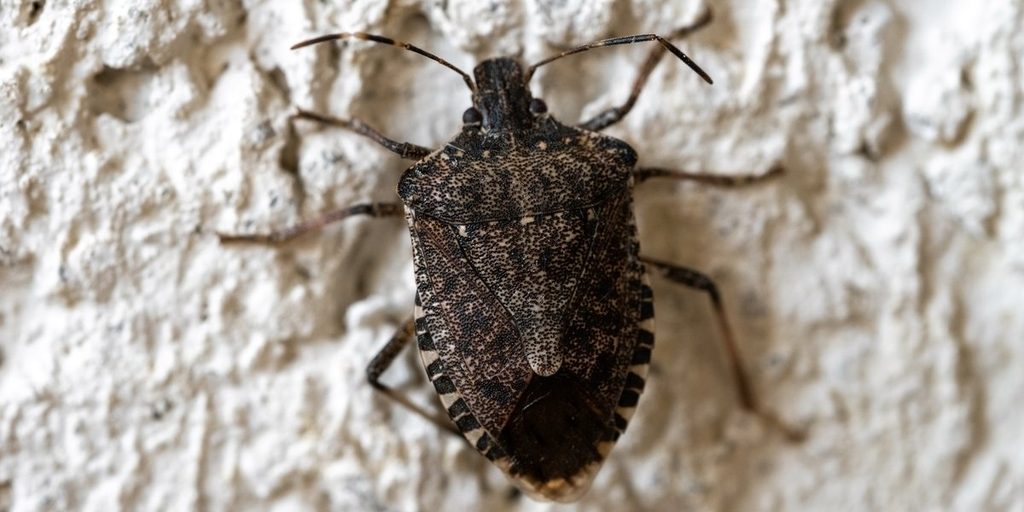
Brown marmorated stink bugs are nuisance pests. They gather on sunlit exterior walls in early fall. On warm fall days, they’re drawn to house exteriors, searching for overwintering sites. They can show up in large numbers, not just a few scattered bugs. A wall that gets afternoon sun is exactly the surface they cluster on before pushing inside. This is common in homes throughout Ambler and King of Prussia.
Mice and other rodents
Rodents seek indoor shelter and food as outdoor temperatures drop. The CDC notes that a mouse can fit through a hole the width of a pencil, about a quarter-inch across. That’s smaller than most homeowners assume. That’s why gaps around utility lines and dryer vents deserve the same attention as an open crack in the foundation.
Spiders
Spiders follow their food source indoors. If other insects get in around windows, doors, or foundation gaps, spiders follow shortly after.
Cluster flies and other overwintering insects
These insects look for wall voids and attic spaces. They use these as nesting sites where they stay dormant until spring. They often enter through the same soffit and roofline gaps that let in other pests.
Wasps and yellow jackets
Late-season colonies become more aggressive as they near their natural die-off. Nests built into eaves or siding gaps in summer often stay active into early fall.
Termite control and carpenter ants
Termites are common across Pennsylvania. They can cause real structural damage once they get established, according to Penn State Extension’s guide to common urban pests. Termite activity often shows up as mud tubes. These connect an underground nest to the wood the termites feed on, and you’ll usually spot them running up a foundation wall. Carpenter ants work differently. They tunnel through wood to build nests instead of eating it, and this weakens wooden structures over time.
Termite control depends on finding where the colony is actually working. That’s why identification isn’t a DIY job. Penn State Extension recommends a licensed pest control professional once a home shows signs of infestation. If you spot mud tubes or sawdust-like debris near a support beam, that’s a signal to get a professional inspection instead of reaching for an over-the-counter product.
Each of these pests deserves more depth than a fall-proofing guide can give it. Our practical guide to keeping mice and rats out of Montgomery County homes covers rodent exclusion in full.
The exterior walk-around: what to check and in what order
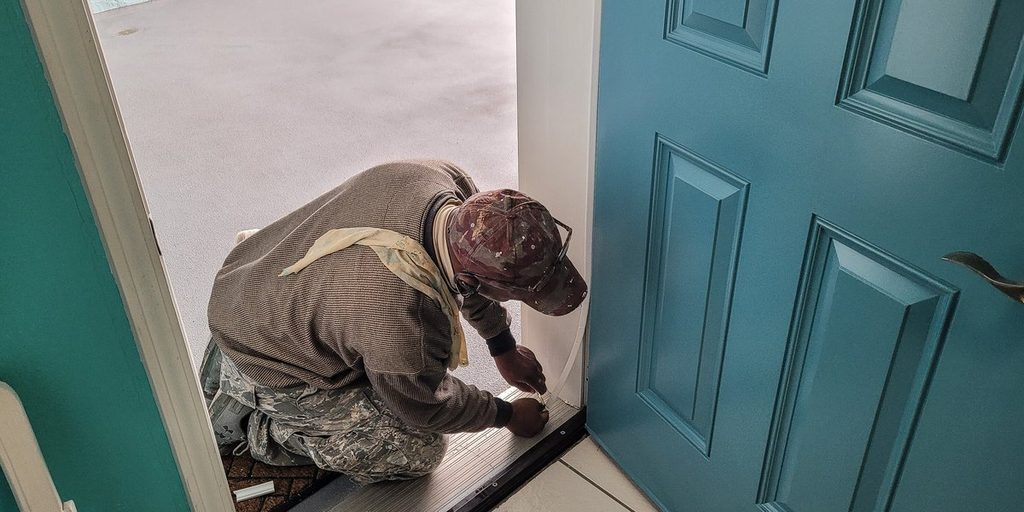
Work the perimeter in sequence. Checking spots at random misses more than a planned walk-around catches.
Inside the house: the four places where autumn problems start
These four spots see the highest pest activity each fall, no matter how well you’ve sealed the exterior.
Basement and crawlspace. Moisture is the main draw here. Standing water near a door or window well is also where mosquitoes breed. Fix leaky plumbing and clear out any standing water.
Attic. Check for droppings or chewed insulation near the roofline gaps mentioned above.
Kitchen and pantry storage. Airtight containers for pantry goods cut off pest access to your food supply. Cardboard boxes and open bags give both insects and rodents easy access.
Utility and laundry areas. Clogged gutters and drainage issues near these areas create the same moisture problems as a basement leak. They just sit closer to where you do laundry.
The autumn timeline: what to do in September, October, and November
September is when the work actually matters. Stink bugs are still gathering on exterior walls, and cracks are easiest to spot in daylight. Migration toward structures ramps up over these weeks as days shorten and nights cool, well before the season’s first hard frost. Sealing entry points now heads off much of what would otherwise show up in October.
October is for finishing what didn’t get done the month before. It’s also for dealing with anything that has already gotten in. Rodent activity increases as outdoor food sources thin out.
November is about managing what’s already inside, not preventing new entry. By November, the calls Pat gets aren’t about prevention anymore; they’re about tracking down where something already got in weeks earlier. If you’re seeing pest activity this late, it likely arrived before you noticed it.
Our end-of-summer pest prevention guide for Pennsylvania homes covers the late-August audit that sets up this timeline.
Our technicians see this pattern every fall for customers across Collegeville. A homeowner calls about stink bugs on a sunroom window. The real opening turns out to be a gap around the dryer vent on the opposite side of the house.
What do pest control technicians actually do during a fall inspection?
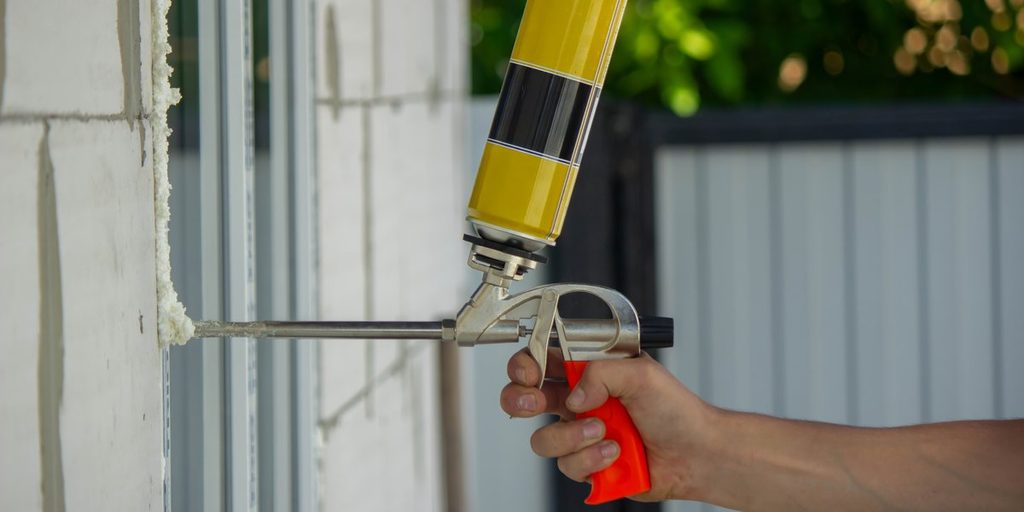
A professional fall visit centers on four things: inspection, identification, exclusion work, and targeted treatment where it’s justified. Inspecting first matters because sealing the wrong gap or treating for the wrong pest wastes time and money. Exclusion plays a big role here. An Integrated Pest Management (IPM) approach means the technician inspects and excludes before treating. This finds and closes entry points before any product gets applied. Penn State Extension’s own guidance on managing household pests with IPM backs this sequence. It notes that IPM solves the underlying cause of a pest problem instead of just treating the symptoms, and it lowers the risk that comes with repeated pesticide use. That’s what separates targeted pest control from routine spraying. Terra Pest Management has worked this way since the company started in Collegeville in 2003.
Technicians check places homeowners can’t reach, like the underside of soffits or the inside of a crawlspace vent. If you’d rather have someone walk your property before the first frost, professional pest control is the right call.
Our technician shows up on time every time and is professional and courteous. Since getting the maintenance services, we no longer worry about ’emergencies’ as they are easy to reach and come out quickly if needed. Mike is knowledgeable, thorough and efficient.
Where DIY pest-proofing ends and professional work begins
Sealing accessible gaps and replacing door sweeps require no special access. Clearing yard debris and patching screens don’t either. A professional earns the fee for the parts homeowners can’t do safely. That includes crawlspace inspection and correctly identifying the pest. Sealing rodent entry points to a standard that holds under repeated chewing also falls to a professional. So does anything at height, like a roofline gap or a wasp nest in a high eave. The full case for hiring one is laid out in Why Professional Pest Control Is a Smart Choice for Collegeville Homes.
What does it cost to skip fall pest control?
Dealing with a pest infestation in the middle of winter costs more than preventing one in the fall. Pests are already established indoors by the time you notice them. A mid-winter rodent infestation means an active nest in the wall or attic. That’s a different job than keeping a single mouse out each September. It raises the risk of property damage and the added cost of clearing an established colony. Prevention work addresses the entry point before anything gets through. By mid-winter, treatment has to clear that same entry point and reach a colony that’s already settled in behind it.
Book your fall pest-proofing
If you’re noticing early signs of activity, or you’d rather have someone experienced walk the property before the first frost, reach out to schedule a fall inspection. Terra Pest Management has served Collegeville, King of Prussia, and the surrounding Montgomery County communities since 2003 as a certified Woman Business Enterprise. Inspection and exclusion always come before treatment. Getting ahead of it in September is a lot less work than dealing with it in January.